How Much Does It Cost to Replace an AC Unit in 2026?
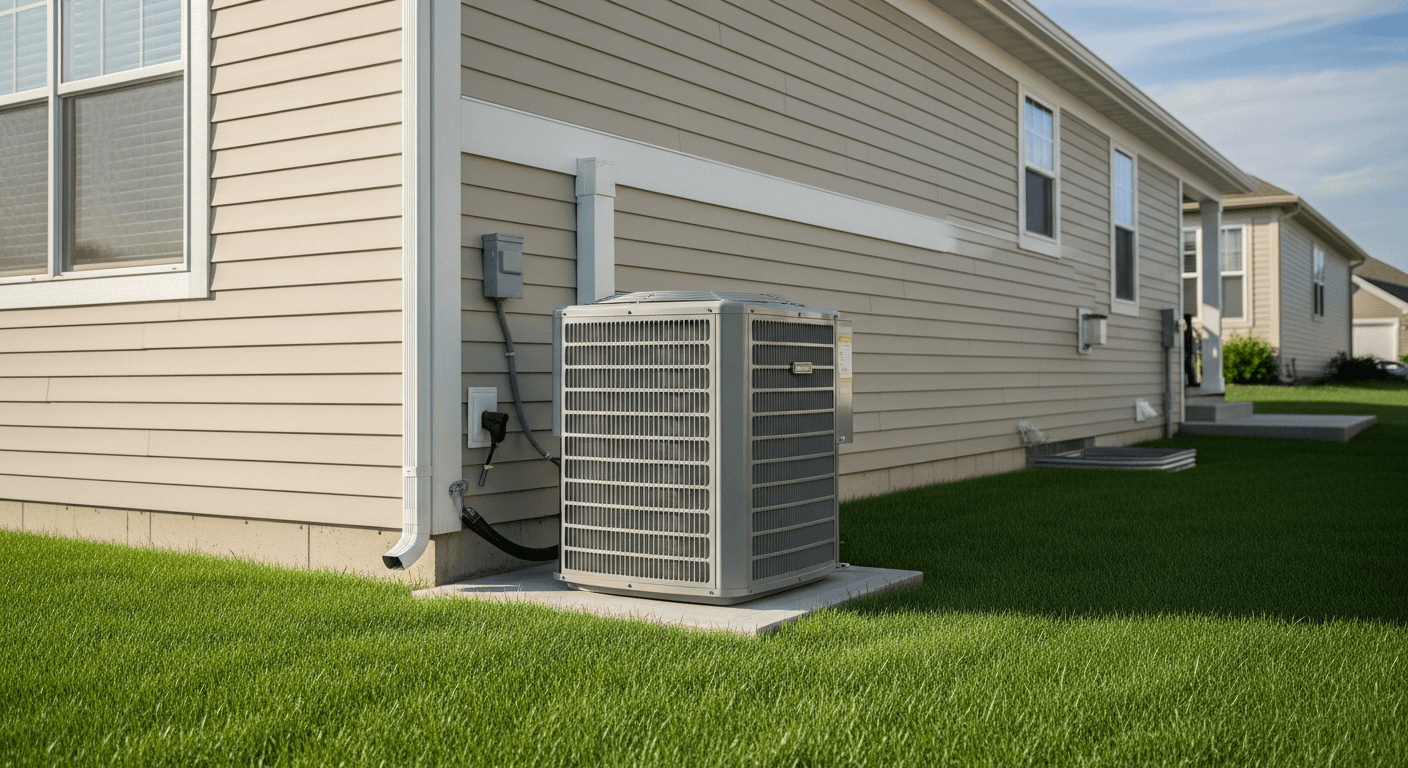
The Real Cost of Replacing Your AC in 2026
Your AC died on the hottest day of the year. Classic. Now you're Googling "ac replacement cost 2026" while sweating through your shirt, and every HVAC company's website is giving you the same unhelpful answer: "It depends."
Let's fix that. Here's what AC replacement actually costs in 2026, broken down by unit size, brand, and what contractors aren't always upfront about.
The Quick Answer: What You'll Actually Pay
For a straight swap — removing your old unit and installing a new one on existing ductwork — most homeowners pay between $4,500 and $12,500 for the full job in 2026. The national average sits around $7,200 for a mid-tier 3-ton system with installation.
But that range is wide for a reason. A 1.5-ton Goodman in Alabama is a completely different purchase than a 5-ton Carrier in Connecticut. Let's break it down.
AC Replacement Cost by Unit Size
AC units are measured in tons — not weight, but cooling capacity. One ton equals 12,000 BTUs per hour. The size you need depends on your home's square footage, insulation, climate zone, and layout.
Here's a general sizing guide:
- 1.5 ton: 600–1,000 sq ft (small apartments, condos)
- 2 ton: 1,000–1,300 sq ft
- 2.5 ton: 1,300–1,600 sq ft
- 3 ton: 1,600–2,100 sq ft (most common residential size)
- 3.5 ton: 2,100–2,400 sq ft
- 4 ton: 2,400–2,800 sq ft
- 5 ton: 2,800–3,500 sq ft (large homes)
Important: Bigger isn't better. An oversized AC short-cycles — it cools too fast, shuts off, then kicks on again. This wastes energy, wears out the compressor, and leaves your home humid. A proper Manual J load calculation is how a good contractor sizes your system.
Price Breakdown: Equipment + Labor
Here's what the full installed cost looks like in 2026 by unit size (mid-tier brand, standard installation):
- 1.5 ton: $3,800 – $5,500 installed
- 2 ton: $4,200 – $6,200 installed
- 2.5 ton: $4,800 – $7,000 installed
- 3 ton: $5,500 – $8,200 installed
- 3.5 ton: $6,200 – $9,500 installed
- 4 ton: $7,000 – $10,800 installed
- 5 ton: $8,500 – $12,500 installed
Equipment typically accounts for about 60% of the total, with labor making up the remaining 40%. Labor alone runs $1,500 to $3,500 depending on complexity and your market.
Brand Tiers: Good, Better, Best
Not all AC brands are created equal — but the differences might not be what you think. Here's how the major brands stack up:
Good Tier ($3,800 – $6,500 installed)
Goodman and Amana (same parent company, Daikin) are the workhorses of the budget tier. They're not fancy, but they're reliable. Goodman offers a solid 10-year parts warranty and their units consistently perform well for the price.
These are 14–16 SEER2 units. They cool your house. They don't have a lot of smart features. For many homeowners, that's exactly what they need.
Better Tier ($5,500 – $9,000 installed)
Rheem, Ruud, York, and Heil sit in the middle. You get slightly better efficiency ratings (16–18 SEER2), quieter operation, and longer component warranties. Rheem in particular has been gaining market share with competitive pricing and strong dealer networks.
Best Tier ($7,500 – $12,500+ installed)
Trane, Carrier, and Lennox are the premium brands. You're paying for 18–24+ SEER2 efficiency, variable-speed compressors, ultra-quiet operation, and better humidity control. Trane's XV series and Carrier's Infinity line are the flagships here.
Lennox is the outlier — their top-end units (like the XC25) are genuinely best-in-class for efficiency, but they're also the most expensive to repair because Lennox parts are proprietary and pricier. Something to consider for the long term.
Here's a comparison for a 3-ton system, fully installed:
- Goodman GSX14: $5,200 – $6,500 (14 SEER2)
- Rheem RA17: $6,800 – $8,200 (17 SEER2)
- Trane XR17: $7,500 – $9,000 (17 SEER2)
- Carrier Infinity 24: $9,500 – $11,500 (24 SEER2)
- Lennox XC25: $10,000 – $12,500 (26 SEER2)
What Drives Your Price Up (The Hidden Costs)
The base price assumes a clean swap. Here's what pushes it higher:
Ductwork Modifications ($500 – $3,000+)
If your existing ducts are the wrong size, leaky, or poorly designed, they need work. Putting a new high-efficiency unit on bad ductwork is like putting racing tires on a car with no alignment — you won't get the performance you're paying for. Duct sealing alone can run $500–$1,000. Full duct replacement is $3,000–$7,000.
Electrical Upgrades ($200 – $1,500)
Newer units sometimes need a different breaker size or a new disconnect box. If your electrical panel is maxed out, you might need a sub-panel or upgrade. This is especially common in homes built before 1990.
Refrigerant Line Set ($300 – $800)
If you're upgrading to a system that uses R-410A or the newer R-454B refrigerant, the old copper lines might need to be replaced. This is more common when the indoor and outdoor units are far apart.
Permits ($100 – $500)
Most jurisdictions require a permit for HVAC replacement. Your contractor should pull this — if they suggest skipping it, that's a red flag. Permits exist to ensure the work gets inspected and meets code.
Thermostat Upgrade ($150 – $500)
If you're installing a variable-speed or communicating system, your old thermostat probably won't work. Budget $200–$400 for a compatible smart thermostat. Some premium brands require their own proprietary thermostats (looking at you, Lennox iComfort).
Regional Price Differences
Where you live matters — a lot. Labor rates, permit costs, and even equipment availability vary by region.
- Southeast (FL, GA, TX, AL): Slightly below average. High volume market = competitive pricing. Expect 5–10% below national average.
- Northeast (NY, NJ, CT, MA): 10–20% above average. Higher labor costs and stricter permitting.
- Midwest (OH, IL, MI, MN): Close to national average. Seasonal demand spikes in June–August.
- West Coast (CA, WA, OR): 15–25% above average. Title 24 energy compliance in California adds complexity and cost.
- Mountain West (CO, AZ, NV): Average to slightly above. Desert climates mean AC systems work harder and may need to be sized up.
The R-454B Transition: What You Need to Know
Starting January 1, 2025, the EPA phased out R-410A refrigerant in new residential AC systems. New units now use R-454B (branded as "Puron Advance" by Carrier). This is a lower-GWP refrigerant that's better for the environment.
What this means for you in 2026: most new units ship with R-454B, and early pricing premiums have mostly normalized. However, R-454B is mildly flammable (A2L classification), so installation requirements are slightly different. Make sure your contractor is certified for A2L refrigerants.
How to Get the Best Price
A few practical tips:
- Get 3 quotes minimum. Prices vary wildly between contractors — we've seen 40% differences for identical equipment.
- Buy in the off-season. Spring and fall installs are often 10–15% cheaper than emergency summer replacements.
- Ask about rebates. Utility companies and manufacturers frequently offer $200–$1,000+ rebates for high-efficiency systems. (Note: the federal 25C tax credit for qualifying heat pumps expired at the end of 2025, so state and utility programs are now your best bet.)
- Don't just compare equipment. A $500 cheaper quote might mean thinner copper lines, no duct sealing, or a less experienced crew. Ask what's included.
If you want to get a quick ballpark before calling contractors, tools like Electrum Home can scope your AC replacement cost based on your home's specifics in just a few minutes — it's a good way to walk into those quotes with realistic expectations.
Should You Repair or Replace?
The general rule of thumb: if the repair costs more than 50% of a new unit and your system is over 10 years old, replace it. Also consider:
- Age: AC units last 15–20 years on average. After 12–15, efficiency drops noticeably.
- R-22 refrigerant: If your unit uses R-22 (Freon), replace it. R-22 has been phased out and costs $100–$200 per pound now.
- Frequency of repairs: Two or more repairs in the last 2 years? The writing's on the wall.
- Energy bills: A new 18 SEER2 unit uses 30–50% less energy than a 15-year-old 10 SEER unit. That's $300–$600/year in savings in hot climates.
Heat Pump vs. Traditional AC
In 2026, heat pumps deserve serious consideration. A heat pump does everything an AC does, plus it heats your home in winter. Modern cold-climate heat pumps work efficiently down to 5°F or lower.
Heat pumps cost about 10–20% more than a comparable AC-only system. With federal tax credits gone as of 2026, that premium now has to be justified on its own merits — but if you're also replacing a furnace, a heat pump avoids the cost of two separate systems and the long-term efficiency savings still tend to come out ahead. Look to state and utility rebates to help close the gap.
Frequently Asked Questions
How long does AC installation take?
A standard replacement takes 4–8 hours for most crews. If ductwork or electrical modifications are needed, it could extend to 2 days. New construction or full system installs (with ductwork) take 3–5 days.
Can I install a different brand than what I currently have?
Yes. AC brands are not locked to your home. The main considerations are sizing (tonnage), refrigerant compatibility with your indoor coil, and whether the new unit matches your existing air handler or furnace. Your contractor will spec the right match.
Is financing available for AC replacement?
Almost all major HVAC contractors offer financing, typically through GreenSky, Synchrony, or the manufacturer's own program. Common terms are 0% APR for 12–18 months or low-interest plans over 5–10 years. Just watch out for deferred interest — if you don't pay it off in time, you get hit with all the accumulated interest at once.
What SEER2 rating should I get?
The minimum allowed in 2026 is 14.3 SEER2 in the northern U.S. and 15 SEER2 in the South and Southwest. For most homeowners, 16–18 SEER2 is the sweet spot — the jump from 14 to 17 SEER2 saves real money, but going from 20 to 24 SEER2 has diminishing returns unless you're in a very hot climate with high electricity rates.
Do I need to replace the indoor unit too?
Not always, but often yes. If your air handler or evaporator coil is more than 10 years old or uses a different refrigerant, replacing both ensures compatibility and efficiency. Mismatched systems lose 10–30% of their rated efficiency. Most contractors will strongly recommend a matched system, and they're right.
What warranty should I expect?
Most brands offer a 10-year parts warranty (requires registration within 60–90 days of install). Labor warranties come from the contractor, not the manufacturer — look for at least 1–2 years of labor coverage. Some contractors offer extended 5–10 year labor warranties for an additional $300–$800.
Ready to move forward?
See what your project actually costs.
Real itemized price in minutes — specific to your house and zip code. No account, no sales call.
See what it costs →