How Much Does a New Roof Cost? A Homeowner's Guide
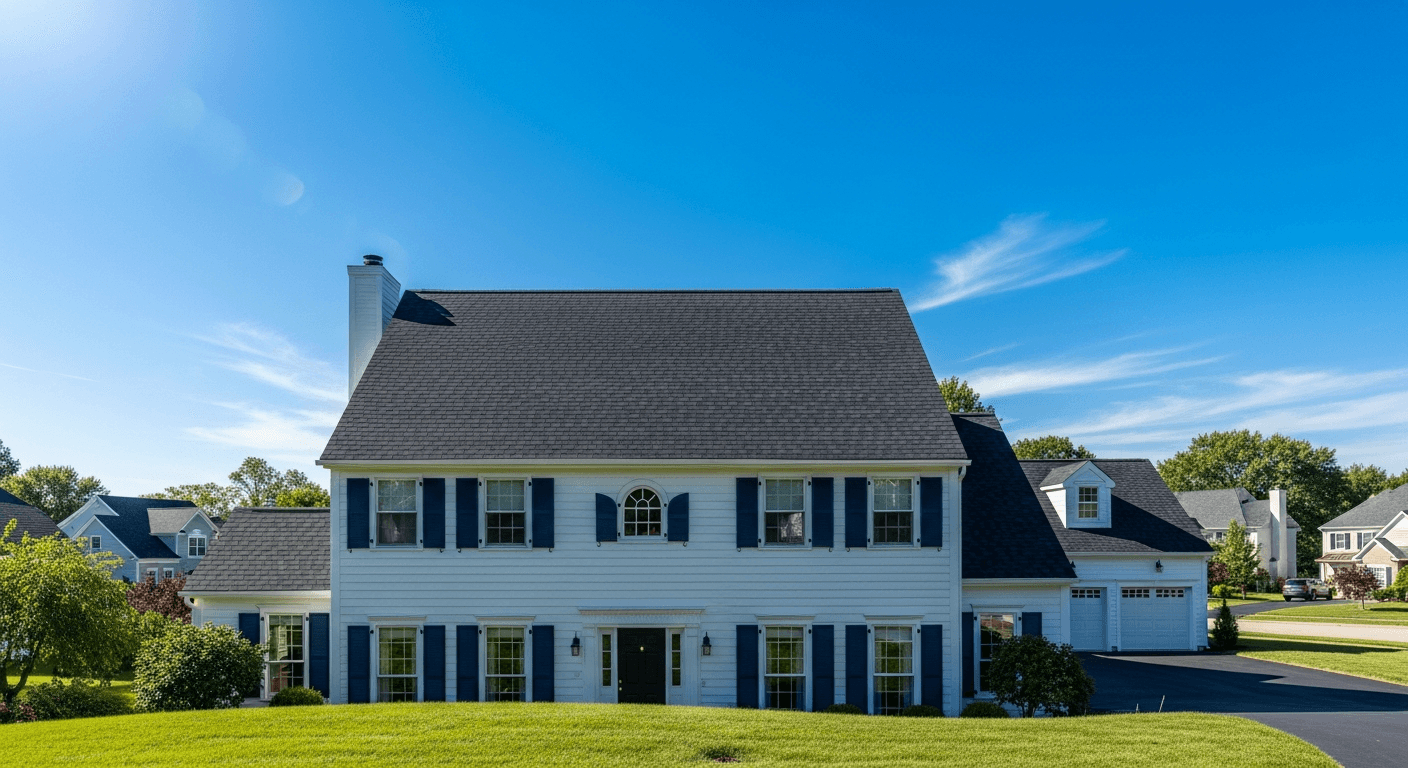
What a New Roof Actually Costs in 2026
If you're reading this, you probably just got some bad news from a roofer. Or maybe you're staring at your ceiling after a storm wondering if that water stain means what you think it means. Either way, let's talk numbers.
A new roof for an average American home (about 1,700 sq ft of roof area) costs between $8,500 and $25,000 in 2026, with most homeowners paying around $12,000–$16,000 for architectural asphalt shingles. But that range gets much wider depending on material, and we'll cover every option.
Roof Pricing 101: How Roofers Quote
Roofers price by the "square" — that's 100 square feet of roof area. A 1,700 sq ft roof is 17 squares. Your roof area is not the same as your home's floor plan square footage — roof area includes pitch (slope), overhangs, and sometimes multiple levels. A 1,500 sq ft ranch house might have 1,700 sq ft of roof area. A steep-pitched colonial could have 2,200+.
When you see prices below, they're per square foot of roof area, fully installed (materials + labor).
Cost by Roofing Material
3-Tab Asphalt Shingles: $3.50 – $5.50/sq ft installed
The budget option. Flat, uniform look. Lifespan of 15–20 years. They're thinner than architectural shingles and don't hold up as well in high winds. Honestly, most roofers don't even recommend these anymore — the price difference between 3-tab and architectural is small enough that architectural is almost always the better value.
Total for 1,700 sq ft roof: $6,000 – $9,400
Architectural (Dimensional) Asphalt Shingles: $5.00 – $8.00/sq ft installed
The most popular choice by far — about 75% of residential roofs in the U.S. use architectural shingles. They're thicker, more durable, and have a layered dimensional look that mimics wood shake or slate from a distance. Lifespan of 25–30 years. Brands like GAF Timberline, Owens Corning Duration, and CertainTeed Landmark dominate this space.
Total for 1,700 sq ft roof: $8,500 – $13,600
Premium/Designer Asphalt Shingles: $7.00 – $12.00/sq ft installed
These are the high-end asphalt options — thicker, more textured, with enhanced warranties (up to 50 years). GAF Grand Canyon, CertainTeed Grand Manor, and Owens Corning Berkshire are examples. They look significantly better than standard architectural shingles but cost 40–50% more.
Total for 1,700 sq ft roof: $11,900 – $20,400
Standing Seam Metal: $10.00 – $18.00/sq ft installed
Metal roofing has exploded in popularity. Standing seam (those clean vertical lines with raised seams) is the premium metal option. It lasts 40–70 years, reflects heat to lower cooling costs by 10–25%, and handles extreme weather like a champ. It's especially popular in the Southeast, mountain West, and coastal areas.
Materials are typically steel (galvalume) or aluminum. Aluminum costs more but doesn't rust — it's the go-to in coastal environments with salt air.
Total for 1,700 sq ft roof: $17,000 – $30,600
Metal Shingles/Tiles: $8.00 – $14.00/sq ft installed
Metal shaped to look like shingles, slate, or tile. Companies like DECRA, EDCO, and Boral make convincing products. You get most of metal's durability benefits with a more traditional look. Lifespan of 40–60 years.
Total for 1,700 sq ft roof: $13,600 – $23,800
Clay or Concrete Tile: $12.00 – $25.00/sq ft installed
Common in the Southwest, Florida, and Mediterranean-style homes. Clay tiles last 50–100+ years — some of the oldest roofs in the world are clay tile. They're extremely heavy though (900–1,200 lbs per square vs. 250 lbs for asphalt), so your roof structure needs to support the weight. Concrete tile is a slightly cheaper alternative at $10–$18/sq ft.
Total for 1,700 sq ft roof: $20,400 – $42,500
Natural Slate: $20.00 – $45.00/sq ft installed
The Rolls Royce of roofing. Genuine slate lasts 75–200 years. It's absolutely beautiful and extremely expensive. Few contractors specialize in slate installation, which drives labor costs up further. You'll find slate mostly on high-end historic homes in the Northeast.
Total for 1,700 sq ft roof: $34,000 – $76,500
Labor: What You're Paying For
Labor typically makes up 40–60% of your total roof cost. Here's what's included:
- Tear-off: Removing the old roof. Costs $1.00–$1.75/sq ft. This is non-negotiable for most situations (more on that below).
- Decking repair: Once the old roof is off, damaged plywood/OSB sheathing gets replaced. Budget $75–$125 per sheet. Most roofs need 2–10 sheets replaced.
- Underlayment: The waterproof barrier between decking and shingles. Synthetic underlayment runs $0.25–$0.50/sq ft. Ice and water shield (required in cold climates along eaves) is $1.00–$2.00/sq ft.
- Flashing: Metal pieces around chimneys, vents, walls, and valleys. Proper flashing is where good roofers earn their money — this is where most leaks originate.
- Ridge vent/ventilation: $300–$800 for the full ridge. Proper ventilation extends your roof's life by 20–30%.
- Cleanup and disposal: Dumpster rental and dump fees run $300–$600 per job.
What Affects Your Specific Price
Roof Pitch (Slope)
Steeper roofs cost more — plain and simple. Anything above a 7/12 pitch requires additional safety equipment, takes longer, and is harder to work on. Expect a 10–25% premium for steep roofs. Very steep roofs (12/12 and above) can add 30–50%.
Number of Layers
Most building codes allow a maximum of two layers of asphalt shingles. If you already have two layers, tear-off is required. Even with one existing layer, most quality roofers recommend tear-off because it lets them inspect and repair the decking.
Roof Complexity
A simple gable roof (two flat planes meeting at a ridge) is the cheapest to roof. Every hip, valley, dormer, skylight, chimney, and vent pipe adds complexity and cost. A complex roof with multiple dormers and valleys can cost 20–40% more than a simple roof of the same square footage.
Permits and Inspections
Permits typically run $100–$500 depending on your municipality. Some areas require inspections at multiple stages. Your contractor should handle permitting — if they suggest skipping it, find another contractor.
Regional Pricing
- Southeast: Generally below national average (5–15% less). Strong competition among roofers.
- Northeast: 10–20% above average. Higher labor costs, ice dam requirements add to material costs.
- Midwest: Near national average. Storm season creates periodic demand spikes.
- West Coast: 15–30% above average, especially in the Bay Area and SoCal metro areas.
- Mountain West: Average to slightly above. Snow load requirements may affect material choices.
Repair vs. Replace: When to Make the Call
Not every roof problem means you need a full replacement. Here's a framework:
Repair makes sense when:
- Damage is isolated to one area (a few missing shingles, one leak point)
- Your roof is less than 15 years old (for asphalt)
- The repair costs less than 30% of a full replacement
- The decking underneath is solid
Replace when:
- Multiple leaks or widespread damage
- Shingles are curling, cracking, or losing granules across the whole roof
- Your roof is approaching or past its expected lifespan
- You're seeing daylight through the roof boards in the attic
- The cost of accumulated repairs is approaching 50% of replacement
When you're trying to figure out which route makes sense financially, a tool like Electrum Home can help you estimate what a full replacement would run for your specific home — it takes just a few minutes and gives you a baseline to compare against repair quotes.
How to Evaluate a Roofing Quote
A good roofing quote should itemize:
- Material type, brand, and color
- Tear-off and disposal included (yes/no)
- Underlayment type (synthetic or felt)
- Ice and water shield (where and how much)
- Flashing details (new or reuse existing)
- Ventilation plan
- Decking repair allowance or per-sheet pricing
- Permit costs
- Warranty details (manufacturer + workmanship)
- Timeline and crew size
If you get a one-line quote that just says "New roof — $11,000," run. You need to know what you're paying for.
The Insurance Question
If your roof was damaged by a storm (hail, wind, fallen tree), your homeowner's insurance may cover part or all of the replacement minus your deductible. File the claim before getting work done. Your insurance company will send an adjuster to assess the damage.
A few things to know:
- Insurance covers damage, not wear and tear. A 25-year-old roof that's just worn out won't be covered.
- Many policies have shifted to ACV (Actual Cash Value) for roofs, meaning they depreciate the payout based on age. A 15-year-old roof might only get 50% of replacement cost covered.
- Beware of "storm chasers" — roofing companies that go door-to-door after storms offering to work directly with your insurance. Some are legitimate, many are not. Stick with established local roofers.
Timing Your Roof Replacement
The best time to replace a roof is late spring or early fall — mild temperatures, lower humidity, and less demand. Asphalt shingles need temperatures above 40°F to seal properly. Summer works fine but crews are in highest demand, so pricing and scheduling are less favorable.
Emergency replacements (after storm damage) happen whenever they need to, but you'll likely wait 2–6 weeks for a quality contractor during peak storm season.
Frequently Asked Questions
How long does a roof replacement take?
Most residential roof replacements take 1–3 days for asphalt shingles. A simple ranch-style home can sometimes be done in a single day with a full crew (5–7 workers). Metal roofing takes 3–5 days. Tile and slate can take 1–2 weeks due to the precision required.
Can I roof over existing shingles?
Technically yes, if you only have one layer. But most quality roofers advise against it. Roofing over hides potential decking damage, adds weight, reduces the new shingles' lifespan by 20–30%, and can void manufacturer warranties. The money you save on tear-off ($1,500–$3,000) isn't worth the long-term trade-offs in most cases.
How do I know if my roof is failing?
Check for: granules in your gutters (those tiny colored pebbles), shingles that are curling or buckling, daylight visible through attic boards, water stains on ceilings, moss or algae growth (indicates moisture retention), and any shingles that are cracked or missing. A professional inspection costs $150–$400 and is worth it if your roof is 15+ years old.
Do I need to be home during roof replacement?
Not necessarily, but it's a good idea to be available (at least by phone) on the first day. You'll want to do a walk-around with the crew leader before they start and after they finish. They'll need access to your electrical outlets and possibly your attic.
What warranty should I expect?
Manufacturer warranties on asphalt shingles range from 25 years to "lifetime" (which usually means 40–50 years with prorated coverage after a certain point). The workmanship warranty from your contractor is equally important — this covers installation errors. Look for at least 5–10 years of workmanship coverage. Some top-tier contractors offer 25-year workmanship warranties.
Is a metal roof worth the extra cost?
If you plan to stay in your home for 15+ years, often yes. A metal roof lasts 2–3x longer than asphalt, saves 10–25% on cooling costs, and requires almost no maintenance. The break-even point vs. architectural shingles is typically 18–22 years when you factor in energy savings and avoided re-roofing costs. Metal also adds to resale value — studies show a 1–6% increase in home value depending on the market.
Does a new roof increase home value?
Yes. A new asphalt shingle roof recovers about 60–70% of its cost in added home value, according to Remodeling Magazine's Cost vs. Value report. More importantly, an old or damaged roof is a deal-killer for many buyers — it's one of the first things home inspectors flag.
Ready to move forward?
See what your project actually costs.
Real itemized price in minutes — specific to your house and zip code. No account, no sales call.
See what it costs →