How Much Does a Fence Cost Per Foot in 2026?
What a New Fence Actually Costs Per Foot in 2026
You need a fence. Maybe the dog keeps escaping, the neighbor's "rustic charm" is actually a junkyard, or your HOA is sending increasingly aggressive letters about your property line. Whatever the reason, you're here because you Googled "fence cost per foot 2026" and want real numbers.
Let's break it down by material, size, labor, and all the extras that fence companies quote separately to make the base price look lower.
Average Fence Cost Per Linear Foot in 2026
Here's the all-in installed cost (materials + labor + basic hardware) per linear foot by material type for a standard 6-foot privacy fence:
- Wood (cedar): $25 – $50/linear ft
- Wood (pressure-treated pine): $18 – $35/linear ft
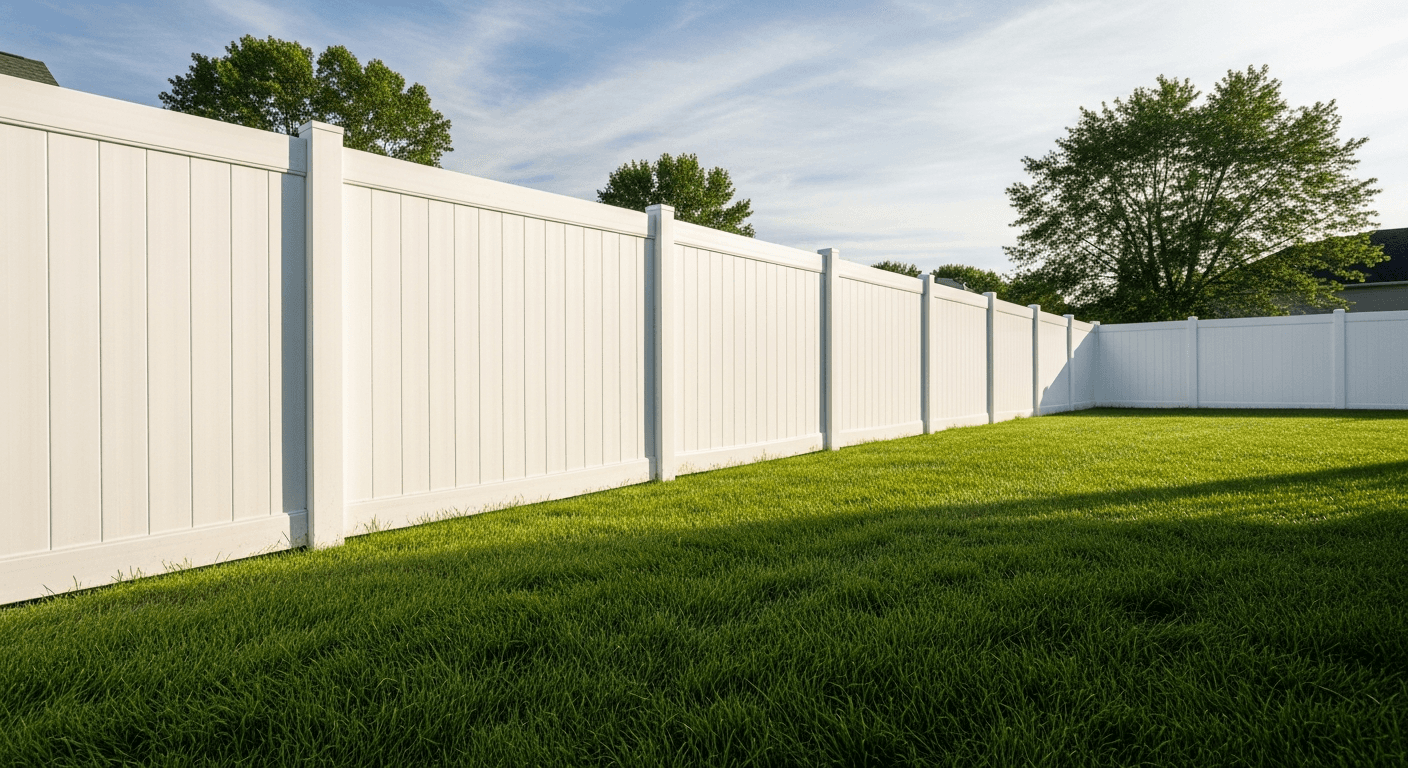
- Vinyl (PVC): $28 – $55/linear ft
- Aluminum: $30 – $60/linear ft
- Chain link (4 ft): $12 – $25/linear ft
- Chain link (6 ft): $15 – $35/linear ft
- Composite: $30 – $60/linear ft
- Wrought iron: $30 – $75/linear ft
For a typical residential lot with 200 linear feet of fencing, you're looking at:
- Pressure-treated pine: $3,600 – $7,000
- Cedar: $5,000 – $10,000
- Vinyl: $5,600 – $11,000
- Chain link (4 ft): $2,400 – $5,000
- Aluminum: $6,000 – $12,000
Most homeowners spend between $4,500 and $9,000 for a new fence in 2026. That's typically 150–200 linear feet of 6-foot cedar or vinyl privacy fencing with a gate or two.
Wood Fences: The Classic Choice
Wood is still the most popular fencing material in the U.S. It's affordable, looks great, and you can stain or paint it any color. The downside? Maintenance.
Pressure-treated pine
- Material cost: $8–$15/linear ft
- Installed cost: $18–$35/linear ft
- Lifespan: 15–20 years with maintenance
- Maintenance: Stain or seal every 2–3 years. Expect to pay $1,500–$3,000 to re-stain 200 linear feet professionally.
Pressure-treated pine is the budget king. The chemicals in the treatment resist rot and insects, but the wood can warp and crack as it dries (especially if installed wet). Let it dry 3–6 months before staining for best results.
Cedar
- Material cost: $12–$25/linear ft
- Installed cost: $25–$50/linear ft
- Lifespan: 20–30 years with maintenance
- Maintenance: Seal every 2–3 years. Cedar naturally resists rot and insects, so it holds up better than pine even with less maintenance.
Western red cedar is the go-to for privacy fences. It's naturally resistant to decay, has a beautiful grain, and weathers to a silver-gray if you choose to leave it unsealed. It costs more than pine but lasts significantly longer.
Redwood
- Material cost: $20–$40/linear ft
- Installed cost: $35–$65/linear ft
- Lifespan: 25–35 years
Redwood is premium — gorgeous, naturally rot-resistant, and expensive. Common in the Western U.S. but pricey elsewhere due to shipping. If budget allows, it's the best-looking wood fence you can build.
Vinyl (PVC) Fences: Set It and Forget It
- Material cost: $15–$30/linear ft
- Installed cost: $28–$55/linear ft
- Lifespan: 25–30+ years
- Maintenance: Wash with a hose once or twice a year. That's it.
Vinyl fencing costs more upfront than wood but requires virtually zero maintenance. No staining, no painting, no rotting, no termites. Over a 20-year period, vinyl is typically cheaper than cedar when you factor in staining costs.
The main complaints about vinyl: it can look plasticky (cheaper grades especially), it cracks in extreme cold, and color options are limited (white, tan, gray are standard; darker colors fade faster). Quality varies enormously — buy from brands like ActiveYards, Bufftech (CertainTeed), or Veranda (Home Depot) rather than unknown imports.
Vinyl vs. wood: the 20-year cost comparison
For 200 linear feet of 6-foot privacy fence:
- Cedar (installed): $7,000 + $6,000–$9,000 in staining over 20 years = $13,000–$16,000
- Vinyl (installed): $8,000 + $0 maintenance = $8,000
The math usually favors vinyl long-term, unless you genuinely enjoy staining a fence every couple of years (nobody does).
Aluminum Fences: Clean Lines, No Maintenance
- Material cost: $15–$30/linear ft
- Installed cost: $30–$60/linear ft
- Lifespan: 30–50 years
- Maintenance: Essentially none. Powder-coated finish resists rust and fading.
Aluminum fencing is the modern alternative to wrought iron. It won't rust, doesn't need paint, and comes in styles that mimic traditional iron at a fraction of the weight and cost. Popular for front yards, pools, and properties where you want visibility (not privacy).
Brands to know: Jerith (industry leader), Ultra Aluminum, Ameristar. Most come with 20+ year warranties on the finish.
The catch: aluminum fencing provides zero privacy. It's ornamental — keeps people and pets in/out but doesn't block views. If you need privacy, it's not your fence.
Chain Link Fences: Function Over Form
- Material cost (4 ft): $5–$12/linear ft
- Installed cost (4 ft): $12–$25/linear ft
- Installed cost (6 ft): $15–$35/linear ft
- Lifespan: 20–30 years (galvanized), 30+ years (vinyl-coated)
- Maintenance: Minimal. Check for rust spots on galvanized; vinyl-coated is nearly maintenance-free.
Chain link is the cheapest fencing option, period. It's functional, durable, and honest about what it is. Galvanized steel is standard; vinyl-coated (black or green) looks significantly better and costs $3–$8 more per linear foot.
For added privacy, you can install privacy slats ($3–$6/linear ft) or grow vines on it. Not as good as a solid fence, but workable on a budget.
Labor Costs: What Installers Charge
Fence installation labor typically runs $10–$25 per linear foot, depending on material, terrain, and your region. That's roughly 40–50% of the total installed cost.
Factors that increase labor costs:
- Rocky or clay soil: +$3–$8/linear ft (harder to dig post holes)
- Slope or uneven terrain: +$5–$15/linear ft (stepped or racked panels)
- Removing an old fence: $3–$5/linear ft for removal and disposal
- Concrete post footings vs. gravel: Concrete adds $2–$4/linear ft but is stronger and more durable
- Gates: $200–$600 per standard gate, $1,000–$3,000 for a double drive gate
- Post caps, trim, lattice toppers: $2–$10/linear ft
A 200-foot fence with flat terrain, no old fence removal, and two standard gates will have about $2,000–$5,000 in labor. Add rocky soil and a slope, and that can double.
Permits: Yes, You Probably Need One
Most municipalities require a fence permit for anything over 4 feet tall. Here's what to expect:
- Permit cost: $20–$400 depending on jurisdiction
- Processing time: 1–4 weeks
- Common requirements: Setback from property line (usually 2"–6"), maximum height (6 ft backyard, 4 ft front yard is typical), style restrictions in front yards
Your contractor should handle the permit, but verify — some smaller companies skip this step, and an unpermitted fence can result in fines or forced removal. Always confirm your property lines with a survey before building on or near the boundary.
HOA Rules: Read the Fine Print
If you live in an HOA community, your fence options may be severely limited. Common HOA restrictions include:
- Approved materials only: Many HOAs ban chain link, require specific wood species, or mandate vinyl in certain colors.
- Height restrictions: Often stricter than city code — some HOAs cap fences at 4 feet, even in backyards.
- Placement rules: No fences in front yards, minimum setbacks from the street, "good side" must face out.
- Pre-approval required: Submit plans with materials, dimensions, and color before you start. Approval can take 2–8 weeks.
Building a fence that violates HOA rules can result in daily fines and mandatory removal at your expense. Read your CC&Rs and submit for approval before signing a contract. It's annoying, but it's way less annoying than tearing down a $6,000 fence.
DIY vs. Professional Installation
Fence installation is one of the more achievable DIY projects, especially for wood and chain link. Here's an honest assessment:
DIY-friendly
- Chain link (4 ft): most forgiving material, standardized parts
- Wood privacy fence (flat terrain): post holes, level, and screws. Labor-intensive but straightforward.
Better left to pros
- Vinyl fencing: panels are precise — one mistake and you can crack a $100+ panel
- Aluminum: requires exact measurements and special tools for cutting
- Any fence on a slope: stepping or racking panels on grade is an art
DIY saves roughly $10–$20 per linear foot in labor. For a 200-foot fence, that's $2,000–$4,000 in savings. But you'll need to rent a post hole digger ($50–$100/day), buy or rent a level and string line, and budget a full weekend (or two) of hard physical labor.
Want to compare professional quotes before deciding? Electrum Home's quote tool lets you get multiple fence estimates from local installers without the phone tag.
How to Save on Your Fence Project
- Get 3+ quotes. Fence pricing varies 20–40% between contractors for the same scope. Always compare.
- Build in the off-season. Late fall and winter (November–February) are slow months for fence companies. You'll get better pricing and faster scheduling.
- Share the cost with neighbors. If the fence is on the property line, your neighbor may split the cost. Ask before you build — it's easier to negotiate before the posts are in the ground.
- Buy materials yourself. Some contractors charge a markup on materials. You can buy fence panels, posts, and hardware from Home Depot or Lowe's and hire labor-only installation. Savings: 10–20%.
- Keep it simple. A dog-ear privacy fence is the cheapest wood style. Board-on-board, shadowbox, and horizontal styles cost 15–30% more for the same linear footage.
- Skip the lattice topper. It adds $3–$8/linear ft and is the first thing to break in a wind storm.
Fence Cost by Project Size
Here's what typical projects cost for a 6-foot cedar privacy fence, installed:
- Side yard only (50 linear ft): $1,500 – $2,500
- Backyard only (100 linear ft): $2,800 – $5,000
- Full perimeter (200 linear ft): $5,500 – $10,000
- Large lot (300+ linear ft): $8,000 – $15,000
- Acreage with farm fence (1,000+ ft, wire/post): $3,000 – $8,000
Frequently Asked Questions
How long does fence installation take?
A professional crew of 2–3 people typically installs 100–150 linear feet of fence per day. A standard 200-foot residential fence takes 1.5–2 days. Add time for old fence removal, difficult terrain, or permit delays. DIY? Budget 2–4 weekends depending on your experience and the material.
Which fence material lasts the longest?
Aluminum and wrought iron last 30–50+ years with minimal maintenance. Vinyl lasts 25–30+ years. Cedar lasts 20–30 years with regular sealing. Chain link lasts 20–30 years. Pressure-treated pine is the shortest at 15–20 years, though proper maintenance can extend that.
Do I need a survey before building a fence?
Strongly recommended. A property survey costs $300–$800 and definitively shows where your property line is. Building a fence on your neighbor's property — even by a few inches — can result in legal disputes, forced removal, or the neighbor claiming adverse possession over time. Many fence contractors require a recent survey before they'll start.
What's the cheapest fence for a dog?
A 4-foot chain link fence is the cheapest option at $12–$25/linear ft installed. For small dogs, add a bottom rail or tension wire to prevent escape under the fence. For large dogs or jumpers, go with 6-foot chain link ($15–$35/linear ft). Invisible/electric fences are cheaper ($1,000–$2,500 installed) but don't keep other animals out and aren't effective for all dogs.
Can I build a fence right on the property line?
Usually, local codes require a setback of 2–6 inches from the property line. Some jurisdictions allow building directly on the line with neighbor consent. Check your local zoning code and get your property surveyed before you dig. Building even partially on your neighbor's side can create expensive legal problems.
Does a fence increase home value?
A well-maintained fence adds roughly 1–3% to home value, with the biggest impact in neighborhoods where fences are standard and for homes with dogs or pools. Privacy fencing in the backyard adds more value than chain link, and a fence that's falling apart actually hurts your resale — so maintain it or replace it before listing.
Ready to move forward?
See what your project actually costs.
Real itemized price in minutes — specific to your house and zip code. No account, no sales call.
See what it costs →